Product truth
The app is not really about “what dog are you.” That is the door. The real product is a smarter adoption filter that protects the dog, the owner, and the shelter from bad matches.
Create a believable mix, understand real DNA results without stereotypes, and find shelter dogs or local help that fit your life.
Laugh first. Choose carefully. Stay forever.
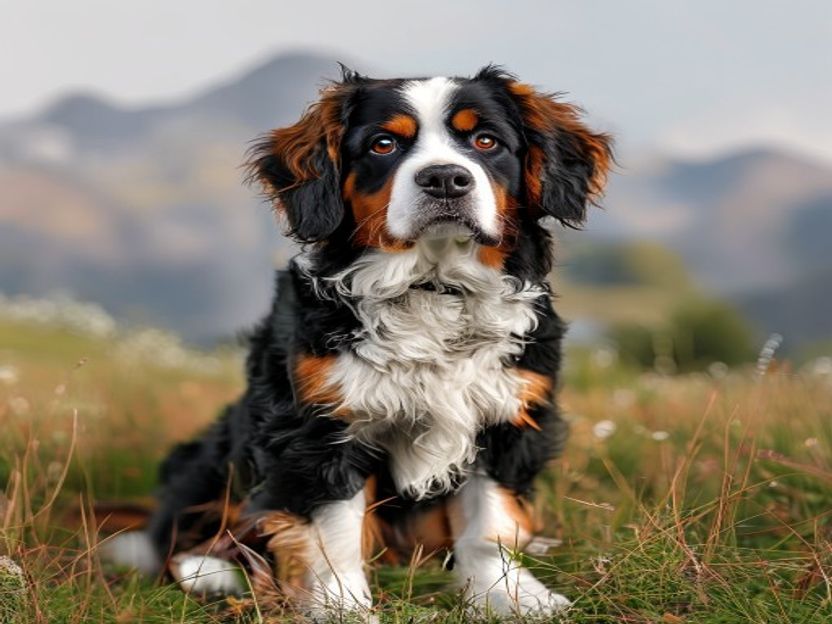
Bring the lab report. Add what the dog in front of you is actually showing. The guide keeps those two kinds of evidence separate.
Percentages must total 100%. Use “Mixed / unresolved” when the report does.
Add the lab’s results and your real observations. The guide will separate reported findings, breed-informed possibilities, and what this individual dog is showing you.
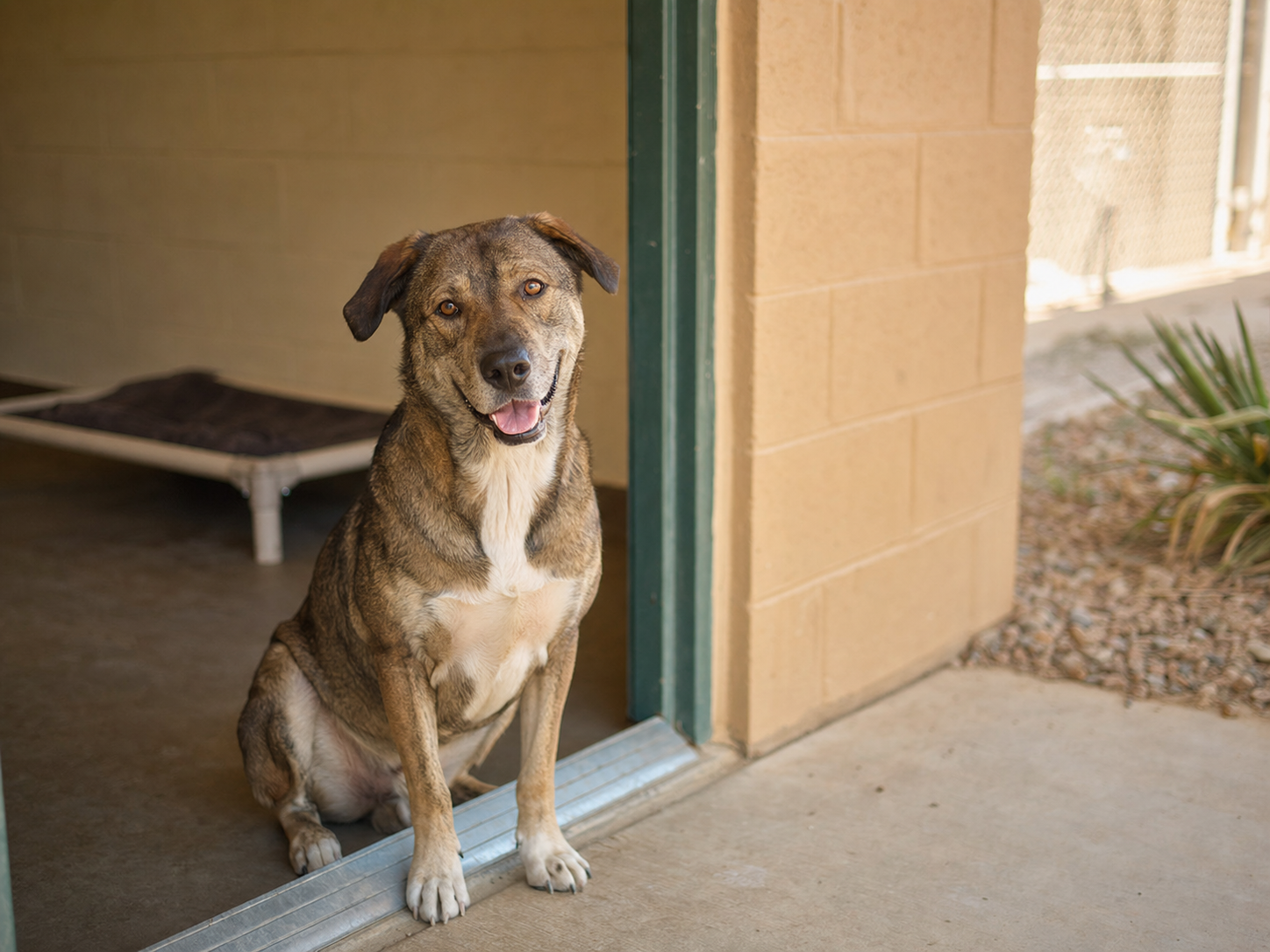
Choose with your whole life, not just your eyes. A photo can start the connection. A lasting match also needs honest information about time, housing, cost, training, health, and the individual dog.
Better information before adoption can prevent painful mismatches. Earlier support can prevent surrender, unsafe abandonment, and dogs ending up on the street. We connect people with local pounds, municipal shelters, rescues, veterinarians, trainers, and practical help—without blame.
Enter a location to create real searches. These are starting points—not verified live inventory. Confirm availability, credentials, hours, service area, stray-hold rules, and emergency services directly.
Genetics can add context. Environment, learning, health, and relationships shape the dog you meet.
Ask how the dog behaves outside a kennel and after time to decompress.
Watch, listen, meet more than once, and trust what qualified caregivers are seeing.
Lifestyle, housing, budget, children, other pets, and experience all affect long-term success.
Recent national reporting still shows millions of dogs and cats entering shelters each year. Shelter Animals Count estimated 2.8 million dog/cat intakes in the first half of 2025, while ASPCA reported 4.2 million shelter adoptions and about 597,000 euthanasias in 2025.
AAHA/HASS owner-surrender work points to repeat pressure points: housing challenges, too many pets, no time or overwhelm, financial constraints, and short-term life crises.
AAHA, Merck Veterinary Manual, and WSAVA all frame behavior as a mix of inherited tendencies, socialization, health, stress, trauma, training, and daily environment. Breed helps with priors; it cannot read the individual dog.
UC Davis VGL, Cornell, and current dog-genetics research support DNA as a useful confidence tool for ancestry, coat traits, drug sensitivity, and some inherited risks. It is not a prophecy for final looks, behavior, or health.
A PLOS ONE study found shelter breed labels can affect perception and adoptability, especially for pit-bull-type dogs, while visual breed identification often disagrees with DNA results.
The adoption report is not finished when the dog comes home. The app should track decompression, accidents, separation issues, resource guarding, kid/pet stress, medical concerns, and owner regret before return pressure builds.
No animation style. Every preview should be photoreal, breed-informed, and visibly different when male/female breed order changes.
Each story should be funny enough to remember, but it must teach a real management point: energy, handling, cost, training, housing, or health.
Dog requirements come before breed stereotypes. The right answer may be adult, foster-verified, low-drive, senior, or "not now without support."
Bite risk, severe aggression, medical symptoms, poisoning, collapse, repeated vomiting, or major anxiety routes to a veterinarian or qualified professional.
Pick a lane. The playful one stays lighter and kid-safe. The serious one asks about housing, schedule, budget, training, family, pets, patience, and support so the app can give actual dog-fit results instead of just vibes.
The match is not finished at adoption. This is the return-prevention schedule: decompression, behavior checks, cost checks, safety routing, and no-shame help before regret turns into surrender.
A staff-side proof of concept: build an individual dog profile, compare it to an adopter readiness profile, and get conversation prompts instead of a cold pass/fail decision.
The app is not really about “what dog are you.” That is the door. The real product is a smarter adoption filter that protects the dog, the owner, and the shelter from bad matches.
Help no-kill shelters reduce overcrowding by matching dogs with owners who are actually equipped for them. This supports shelters; it does not attack them.
Cute gets your attention. Compatibility keeps them home.
The public brand and front door. It should feel like a real product for mixing breeds, reading reports, and checking owner fit.
The headline feature: parent breeds, hybrid previews, trait scoring, appearance estimates, and shareable reports.
The source-backed layer for shelter pressure, behavior science, DNA limits, breed-label bias, and first-90-days retention logic.
A supporting lane that turns lifestyle answers into readiness, risk, and breed-type guidance.
Retention support for owners under pressure before surrender becomes the only path.
A partner-facing proof of concept for matching individual dogs with realistic adopter profiles.
The previous work stays honored as an Easter egg and memorial feature without taking over the product identity.
Lead with the two-breed experience, visual previews, and a report that feels worth sharing.
Keep the encyclopedia useful with temperament, health watchlists, owner fit, and source-backed language.
Keep shelter data, behavior science, DNA limits, breed-label bias, and source citations visible enough to earn trust.
Use fun quiz language only where it helps, then collect real lifestyle data: family, housing, exercise, patience, training, budget, and stability.
Score both sides: owner readiness, dog compatibility, risk, training difficulty, and cost fit.
Show dogs to avoid, owner risks, and exact fixes before adoption.
Use the app to reduce returns, reduce overcrowding, and support better conversations without becoming class-biased gatekeeping.
The realistic 3D lane is wired for a local Quaternius glTF at assets/dog-preview.gltf and a local copy of @google/model-viewer at assets/vendor/model-viewer.min.js. If the model or viewer is unavailable, the app uses a procedural SVG dog preview with breed-informed colors, ears, muzzle, build, and tail clues. The badge on the preview tells you which path is active.
Breed cards use local Wikimedia Commons reference photos when a license-tracked image is available. Missing breeds keep the 3D/SVG visual lane until a cleanly licensed photo is added to assets/photos/. Full metadata is stored in assets/photos/_manifest.json. The five-image-per-breed reference gallery is stored at assets/breed-gallery/_manifest.json; the Elite image lab now uses those photos as background reference context while the foreground dog is a role-aware hybrid drawing from breed traits.
| Breed | License | Source |
|---|---|---|
| Rottweiler | CC BY-SA 3.0 | Wikimedia Commons |
| Siberian Husky | CC BY-SA 3.0 | Wikimedia Commons |
| German Shepherd | CC BY-SA 2.5 | Wikimedia Commons |
| Golden Retriever | Public domain | Wikimedia Commons |
| Labrador Retriever | CC BY-SA 2.0 | Wikimedia Commons |
| French Bulldog | CC BY-SA 4.0 | Wikimedia Commons |
| Bulldog | CC BY-SA 4.0 | Wikimedia Commons |
| Beagle | CC BY-SA 3.0 | Wikimedia Commons |
| Poodle | CC BY 2.0 | Wikimedia Commons |
| Dachshund | CC BY-SA 4.0 | Wikimedia Commons |
Primary source: Quaternius Ultimate Animated Animal Pack. It lists glTF support and a CC0/Public Domain license, making it the cleanest free route. The current preview uses the pack's Husky glTF as a dependable breed-informed 3D base.
| Step | Action |
|---|---|
| 1 | Download the Quaternius pack from the source page. |
| 2 | Find a dog-like glTF or GLB in the glTF/GLB folder. |
| 3 | Rename the chosen entry file to dog-preview.gltf or update the viewer source. |
| 4 | Place it at assets/dog-preview.gltf. |
| 5 | Refresh this page. The 3D badge should switch from fallback to loaded. |
Sketchfab can be used only when a model is downloadable and has clear CC-BY or CC0 terms. For CC-BY, record the exact model title, creator, source URL, license, download date, and modifications in assets/ATTRIBUTION.md. Avoid paid, unclear, non-downloadable, editorial-only, or restrictive assets.
"dog-preview.gltf" by [Creator] is licensed under CC-BY 4.0. Downloaded from: [URL]. Modifications: renamed file, compressed textures.
The live no-spend image lane now renders every pair through the same sire/dam role-aware hybrid engine. Reference photos are used as soft background context, while the foreground dog is built from breed traits, coat genetics hints, body shape, ears, tail, life stage, and male/female role modifiers. Paid providers stay disabled until server-side keys, QA gating, and a spend cap are explicitly approved.
Prompt template: A highly detailed, photorealistic studio portrait of exactly one crossbreed dog with [Breed A] and [Breed B] ancestry, showing a labeled appearance scenario, realistic fur texture, natural eyes, coherent canine anatomy, breed-informed body shape, and soft studio lighting.